Homepage | Sustainable Development
Tainan Sustainable Factory
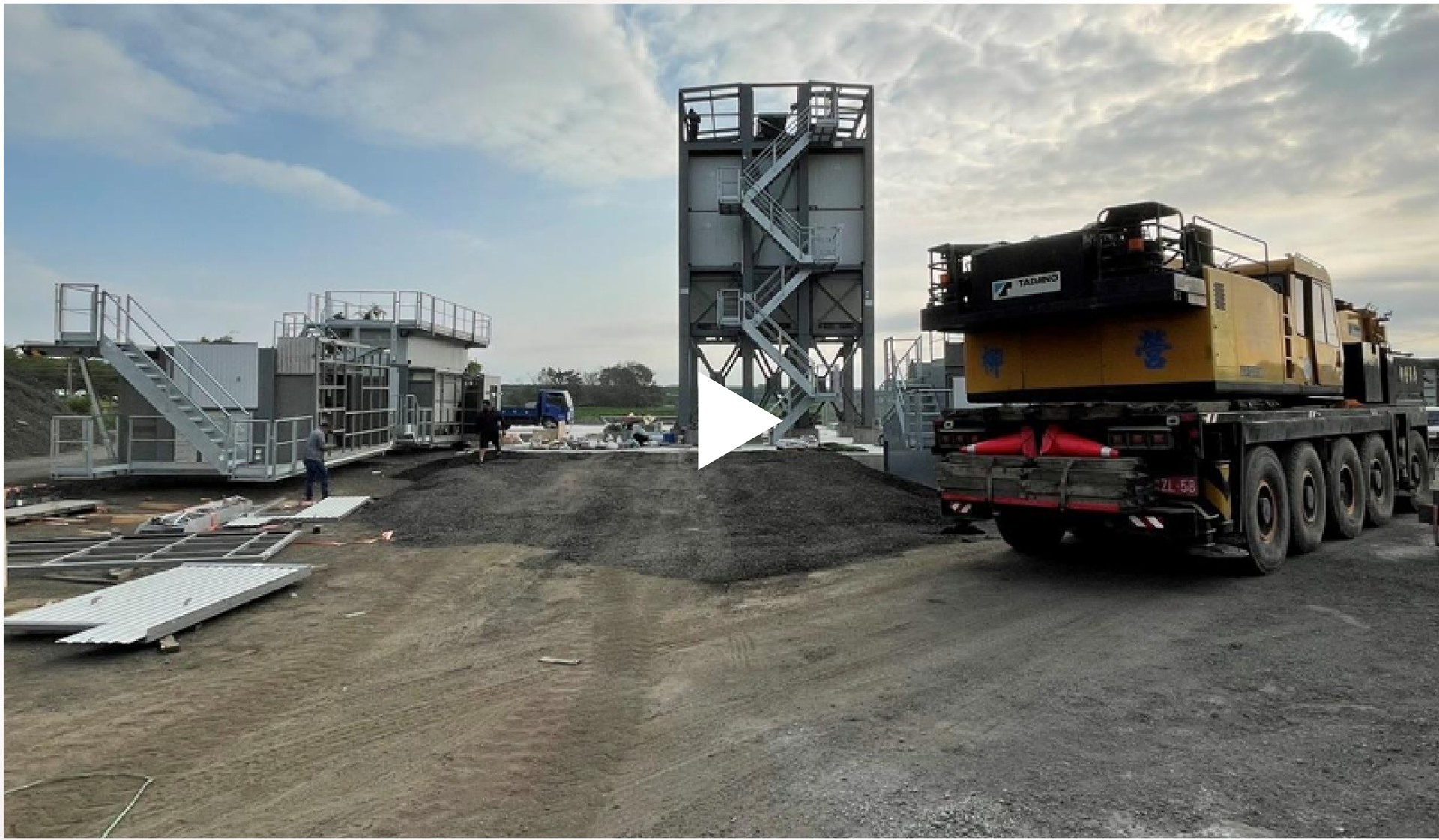
Tainan Factory
Introduction to Environmental Protection Plants/Equipment
Modified equipment
Text text ...

Modified equipment
Text text ...
Modified equipment
Text text ...
Guanyin Factory
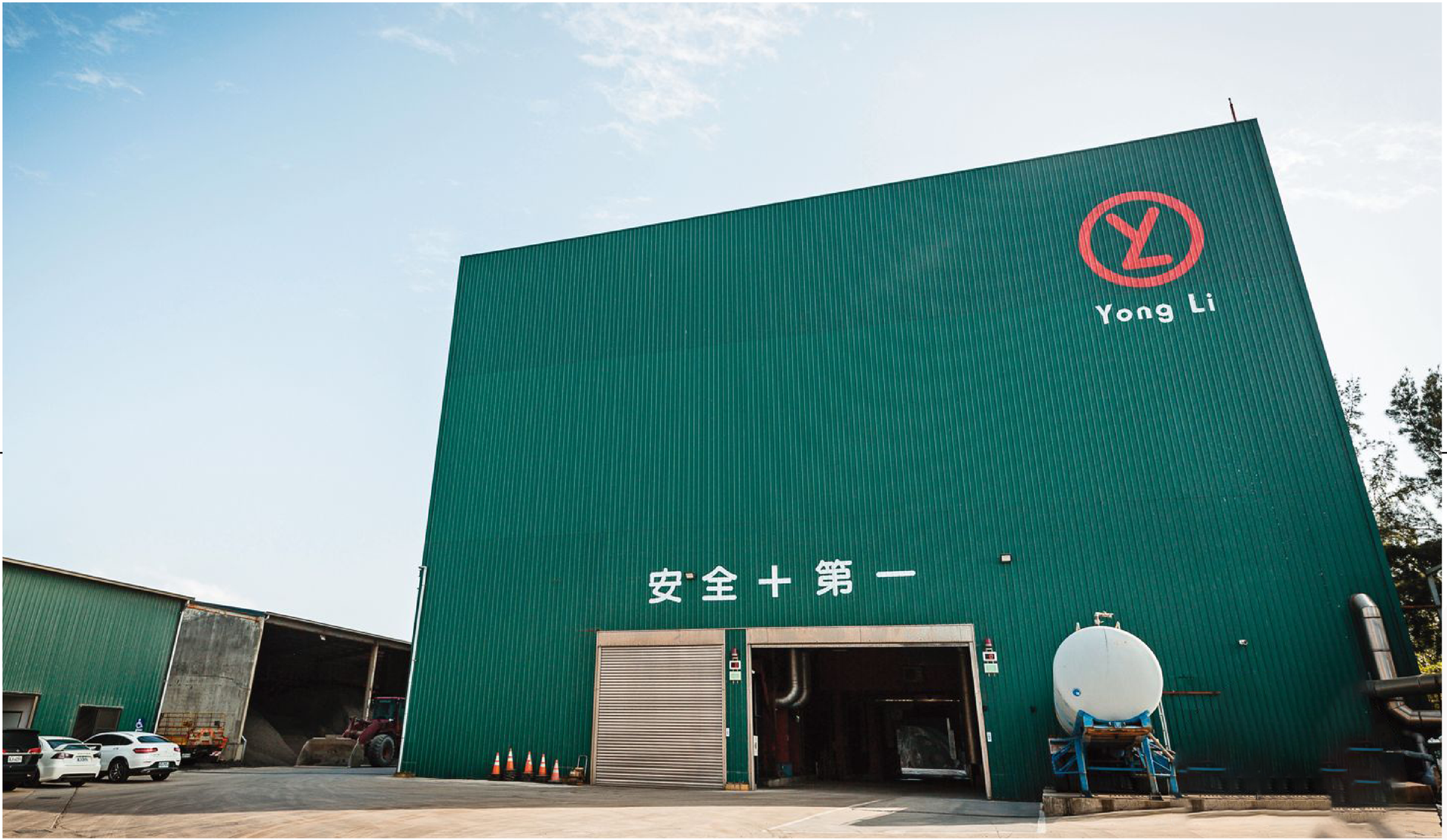
Taoyuan Guanyin Factory Area
From fully enclosed factory buildings and solar photovoltaic systems, the Guanyin plant has gradually implemented low-carbon processes. "We believe that there is no end to green energy, and achieving net zero is an important responsibility of modern enterprises." Yung-Yu Group is constantly thinking about how to make better use of green energy and is starting from the factory to bring "asphalt production" onto the path of green energy.
Xuejia Factory
Taoyuan Guanyin Factory Area
From fully enclosed factory buildings and solar photovoltaic systems, the Guanyin plant has gradually implemented low-carbon processes. "We believe that there is no end to green energy, and achieving net zero is an important responsibility of modern enterprises." Yung-Yu Group is constantly thinking about how to make better use of green energy and is starting from the factory to bring "asphalt production" onto the path of green energy.
ESG commitment to sustainability, putting into practice a better vision of environment, society and governance.
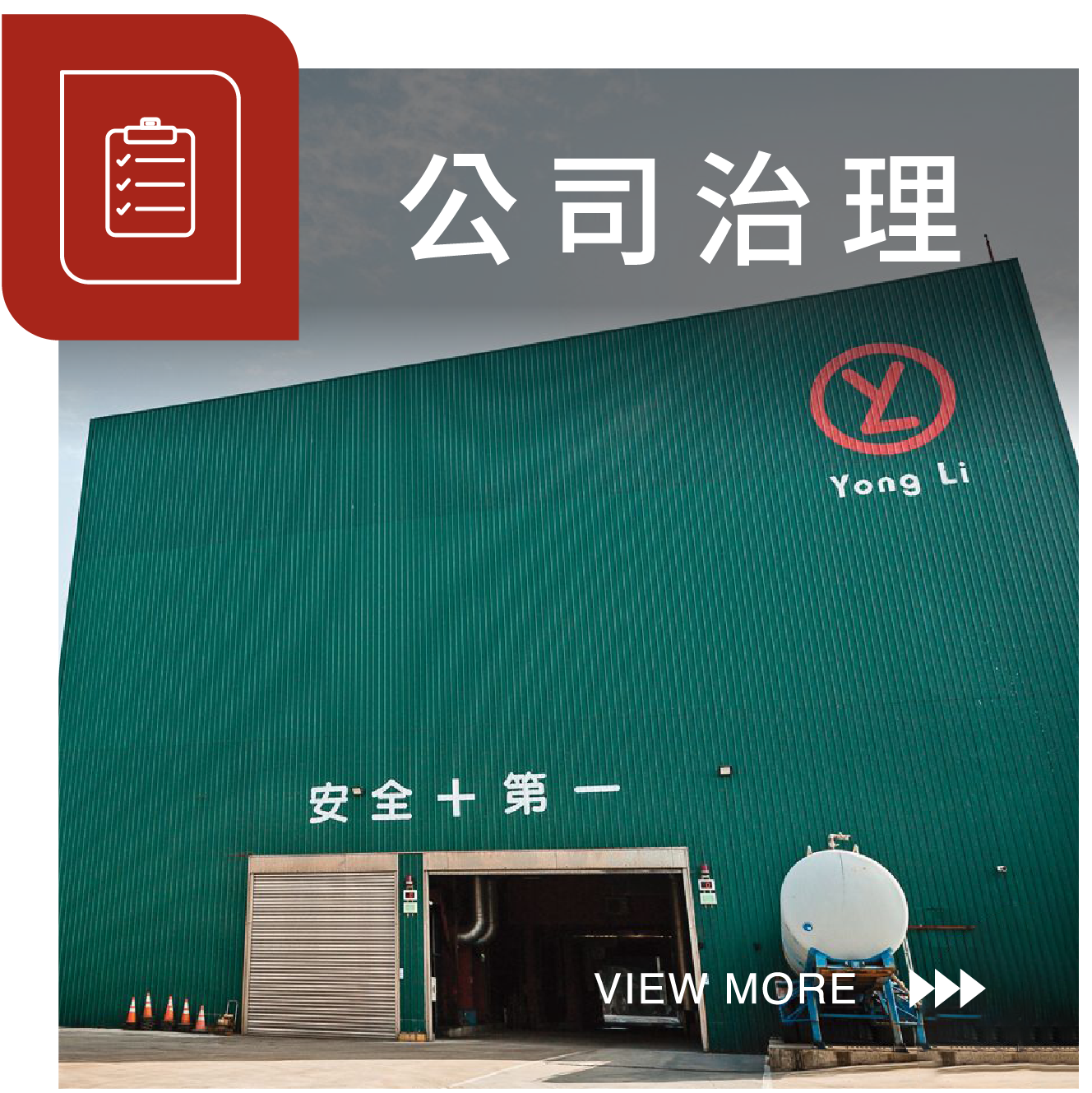
Yongji's sustainable ESG policies bring positive changes to the land.
In the infrastructure industry, the quality of roads and runways directly impacts urban operations, public safety, and environmental burden. For Yung-Yu, sustainability is not a single project or a vanity project, but rather a fundamental premise that must be incorporated into every engineering decision.
Yung-Yu considers the impact of material production, construction methods, service life, and subsequent maintenance on the environment and society from the perspective of the entire life cycle of engineering projects, and regards ESG (Environmental, Social, and Governance) as the core framework of corporate operations and engineering management to respond to the expectations of industry and society for sustainable development.
Reduce the long-term environmental impact of projects starting from the source of production.
Asphalt and paving projects involve energy use, process emissions, and stationary pollution source management. Yung-Yu chose to start from the most critical production end, systematically reducing the environmental impact of the project. Through the design of a fully enclosed asphalt mixing plant, the mixing equipment is housed indoors, and equipped with dust collection and pollution control systems, effectively suppressing the emission of dust, odors, and noise, thus mitigating the impact of the traditional asphalt industry on the surrounding environment.
In terms of energy use and process management, Yung-Yu continuously introduces more efficient fuel selection, energy-saving equipment and intelligent mixing monitoring systems to improve production stability, reduce energy consumption and heavy industry risks, and make engineering efficiency an important foundation for reducing carbon emissions and resource waste.
Making roads last longer is the most pragmatic way to reduce carbon emissions.
For Yung-Yu, environmental responsibility extends beyond the factory; it is reflected in every section of the roads and runways that are paved. Through high-standard paving methods, precise construction, and quality control, the lifespan of roads and runways is extended, and the frequency of repaving and maintenance is reduced.
The higher the durability of an engineering project, the lower its energy consumption and carbon emissions over its entire lifecycle. This engineering mindset means that sustainability is not just a single technology choice, but a holistic assessment that integrates construction quality and long-term benefits.
Safety is the prerequisite for the validity of any engineering project.
In high-risk engineering environments, safety is not a secondary condition, but a prerequisite for the success of all engineering projects. Yung-Yu has fully implemented the ISO 45001 Occupational Safety and Health Management System, institutionalizing risk identification, construction management, education and training, and health checkups to ensure that engineering personnel receive comprehensive protection even in high-intensity, high-risk construction environments.
In highly sensitive areas such as international airport runways, Yung-Yu needs to simultaneously consider flight safety, engineering quality, and public operational needs. Through rigorous construction planning and cross-team collaboration, the project ensures that the final product meets international standards and regulatory requirements, minimizing risks to public transportation and social operations.
Only by ensuring the continuation of expertise can engineering go the distance.
Yung-Yu believes that the foundation of engineering quality lies in its people. The group regularly conducts employee health checkups and professional and occupational safety training, and builds a stable and long-term committed engineering team through team communication and employee activities. This not only helps reduce occupational safety risks, but also ensures that engineering experience and professional skills can be continuously passed on within the organization.
At the same time, Yung-Yu shares its engineering practice experience through industry-government-academia collaboration and visits to academic institutions, promoting industry knowledge exchange so that engineering expertise can not only stay on the construction site, but also continue to accumulate value for society.
Use systems and technology to make quality and responsibility verifiable.
Sustainable operation must be built on a system that can be inspected and verified. Yung-Yu has implemented the ISO 9001 quality management system to institutionalize material management, production processes, construction standards, and quality inspection, ensuring that consistent quality standards are maintained across different projects and sites.
In terms of technological governance, Yung-Yu has continuously invested in engineering research and development, introducing technologies such as 3D pavement measurement systems and rapid road surface cooling equipment to improve construction accuracy, reduce human error and engineering risks, and make technology an important support for governance and sustainability.
Sustainable projects are a long-term commitment that Yongji makes to society.
Yung-Yu's ESG philosophy is a management approach that has long been integrated into the company's operations and engineering decisions. From carbon emissions and pollution control, and energy efficiency improvement, to engineering safety, talent development, and institutional governance, Yung-Yu continuously responds to society's expectations for sustainable infrastructure with its engineering expertise, ensuring that roads not only complete the current task, but also meet the long-term needs of cities and the future.